





















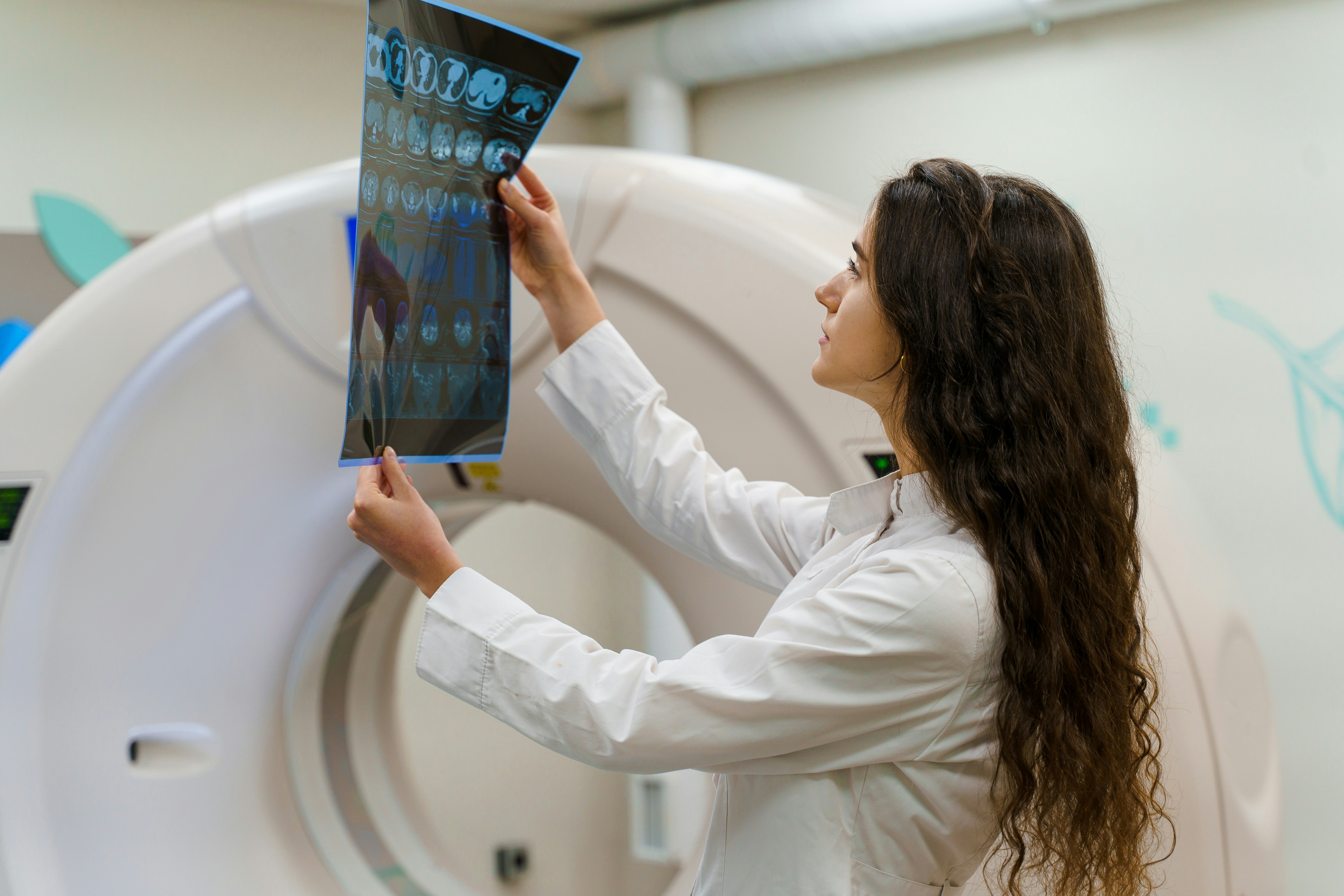


The landscape of biomedical research has been dramatically reshaped by advances in preclinical imaging. These cutting-edge techniques allow scientists to visualise biological processes in living organisms at unprecedented resolution, accelerating the journey from basic discovery to clinical application. By enabling earlier detection of disease, more precise monitoring of therapeutic interventions, and enhanced understanding of complex biological systems, preclinical imaging has become a cornerstone of modern research.
The Role of Preclinical Imaging in Modern Research
Preclinical imaging serves as a bridge between laboratory experiments and clinical trials. Traditionally, researchers relied on tissue samples and invasive procedures to study disease progression, which limited the ability to observe dynamic processes over time. Today, advanced imaging modalities, such as magnetic resonance imaging (MRI), positron emission tomography (PET), and computed tomography (CT), offer non-invasive alternatives. These tools allow longitudinal studies, where the same subject can be monitored repeatedly, providing richer, more reliable data and reducing the number of animals required in studies.
Advancing Discovery Through Molecular and Functional Imaging
One of the most exciting aspects of preclinical imaging is its capacity to provide molecular and functional insights. Beyond simple anatomical views, researchers can now track the distribution of drugs, visualise receptor activity, and monitor cellular responses in real time. Techniques such as fluorescence and bioluminescence imaging enable the detection of subtle biological changes long before structural damage occurs. This level of detail accelerates drug discovery, improves understanding of disease mechanisms, and allows for the development of more targeted therapies.
Enhancing Translational Research
A critical advantage of preclinical imaging lies in its ability to inform translational research, the process of applying laboratory findings to human health. Imaging data from animal models can help predict clinical outcomes, refine therapeutic strategies, and identify potential biomarkers for disease. By linking preclinical observations with patient-relevant endpoints, researchers can design more effective clinical trials and reduce the time it takes to bring new treatments to market.
Overcoming Challenges in Preclinical Imaging
While preclinical imaging offers significant promise, it also presents challenges. High-resolution imaging requires sophisticated equipment and specialised expertise, which can be resource-intensive. Standardising imaging protocols across studies is essential to ensure reproducibility and meaningful comparison of results. Moreover, integrating large volumes of imaging data with other experimental data demands advanced computational tools and analytical methods. Addressing these challenges is crucial to fully leverage the potential of preclinical imaging for discovery.
The Impact of Collaborative Platforms
Collaborative platforms have emerged as pivotal in overcoming these challenges. By providing centralised access to imaging technologies, standardised workflows, and expert support, these platforms enable researchers to focus on scientific questions rather than technical barriers. One notable example is perceptive.com, which offers a comprehensive suite of preclinical imaging services. Their expertise facilitates high-quality imaging studies, supporting researchers in generating reproducible data and translating discoveries into actionable insights.
Looking Ahead: The Future of Preclinical Imaging
The future of preclinical imaging is poised for remarkable growth. Innovations in multimodal imaging, artificial intelligence, and high-throughput analysis promise to deepen our understanding of disease and treatment responses. As imaging becomes more integrated with other omics and computational approaches, researchers will gain unprecedented insight into the complexity of biological systems. This convergence of technologies will not only enhance drug development but also pave the way for personalised medicine, where treatments are tailored to the unique biology of each patient.
Preclinical imaging has transformed from a supportive tool into a fundamental driver of discovery. By visualising the unseen and quantifying the unmeasurable, it enables researchers to explore the frontiers of biology with clarity and precision.