






















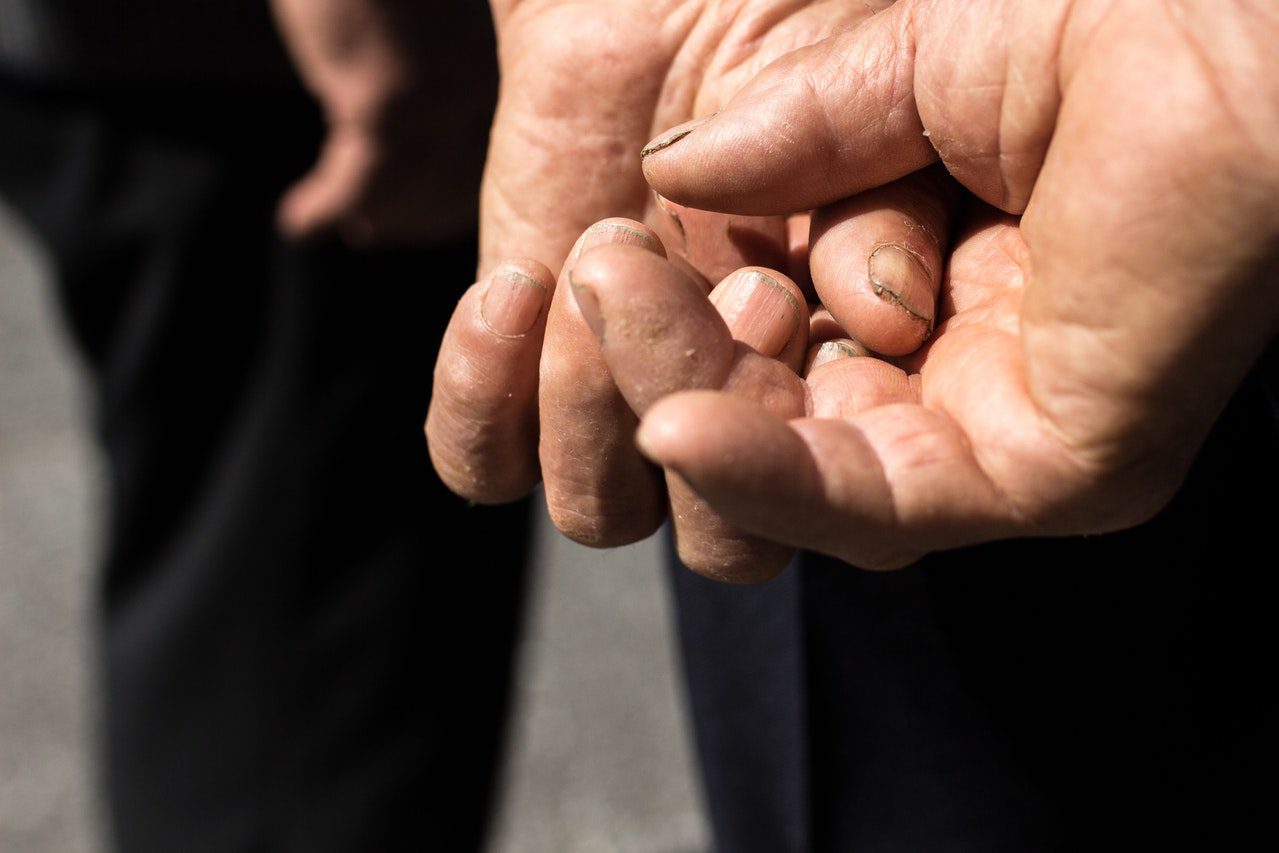


You might find that one of your toenails looks different from the rest. It could be cracked, fragile, thick, or discoloured (white, brown, or yellow). If you see these conditions on your toenails, you have a fungal nail infection. The medical term for it is onychomycosis.Unless the condition is severe, a fungal nail infection is not painful but can be unsightly. A fungal nail infection can occur for different reasons, but it is typical for someone with the condition to have a fungal skin infection or athlete’s foot.
Causes of fungal nail infections
The fungal infection can affect any nail, but it commonly affects toenails. Different types of fungi (moulds or yeasts) are the primary causes of the infection. Often, the condition starts with athlete’s foot, which, when left untreated, allows the fungal spores to reach the skin below the nail bed. The spores feed off the keratin in the nail or your skin. On rare occasions, yeast or other types of fungi can cause the infection. The fungi will attack a damaged nail, as the condition makes the invasion easier.
What does the nail infection look like?
You may notice a yellow or white streak on the edge of your toenail or under its tip. This streak will gradually spread to the side of your toenail and down to the base. As a result, the nail will turn brittle, distorted, thickened, and discoloured. In some cases, the affected nail can become so thick that you will feel pain if the nail is pressed.
The affected toenail may split or crumble. It can separate from the skin and turn into different colours – white, yellow, brown, green, or black.
See a dermatologist or a podiatrist if you notice any of these symptoms. Usually, the
doctor will prescribe an antifungal pill or topical cream. Fungal nail infection takes time to go away. If you need a refill of your antifungal topical cream or tablet, you can get in touch with Anytime Doctor. It is much easier to get your prescription filled as you do it online, so you do not have to go out of the way to find a pharmacy. The delivery of your order is faster and safer, too.
How fungal nail infection typically starts
Fungal nail infection is contagious and breeds in warm, moist places. Infection can occur by walking barefoot in damp areas such as communal gyms and changing rooms, showers, swimming pools, and saunas. Failure to keep your feet clean and not drying between toes, wearing shoes that make your feet hot and sweaty or having an athlete’s foot might cause the infection.


However, other conditions can make you vulnerable to fungal nail infection. For example, your legs may have poor blood circulation, or you have a weak immune system, psoriasis, or even diabetes.
Treatment
Fungal nail infection treatment could take several months because it also takes time for toenails to grow. Therefore, you can see the improvement only after the affected nail grows out, which could be between six to twelve months after treatment.
- Antifungal tablets. Antifungal pills are only available on prescription. You must take the tablets for a few months before your nail heals. It is critical to see your GP because the tablet may not be suitable for people taking specific medicines for other conditions such as diabetes.
- Antifungal nail paints or creams. This type of treatment is available over the counter. You apply the paint or cream over the infected nail for several months. The nail cream or paint is more effective if the infection is starting.
- Nail-softening kits. You can also purchase a nail-softening kit over the counter. The treatment includes applying a paste to soften the infected nail. Afterwards, cover the toenail with plaster for 24 hours before washing it off. Next, gently scrape the softened nail and repeat the process daily for two to three weeks or until there is no more infected nail to remove. Finally, apply antifungal paint for the next few months as the nail grows to stop re-infection.
After treatment, ensure no re-infection by taking care of your feet. Wash it with soap and water, and be sure to dry your feet well, particularly between the toes. Do not allow your toenails to grow long, and sanitise your clippers and files using soap, water, and alcohol.