












| Work starts at the end of this month in Wish Park on one of a network of bee and butterfly banks that are helping to restore rare chalk downland habitats.
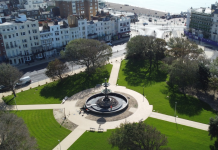
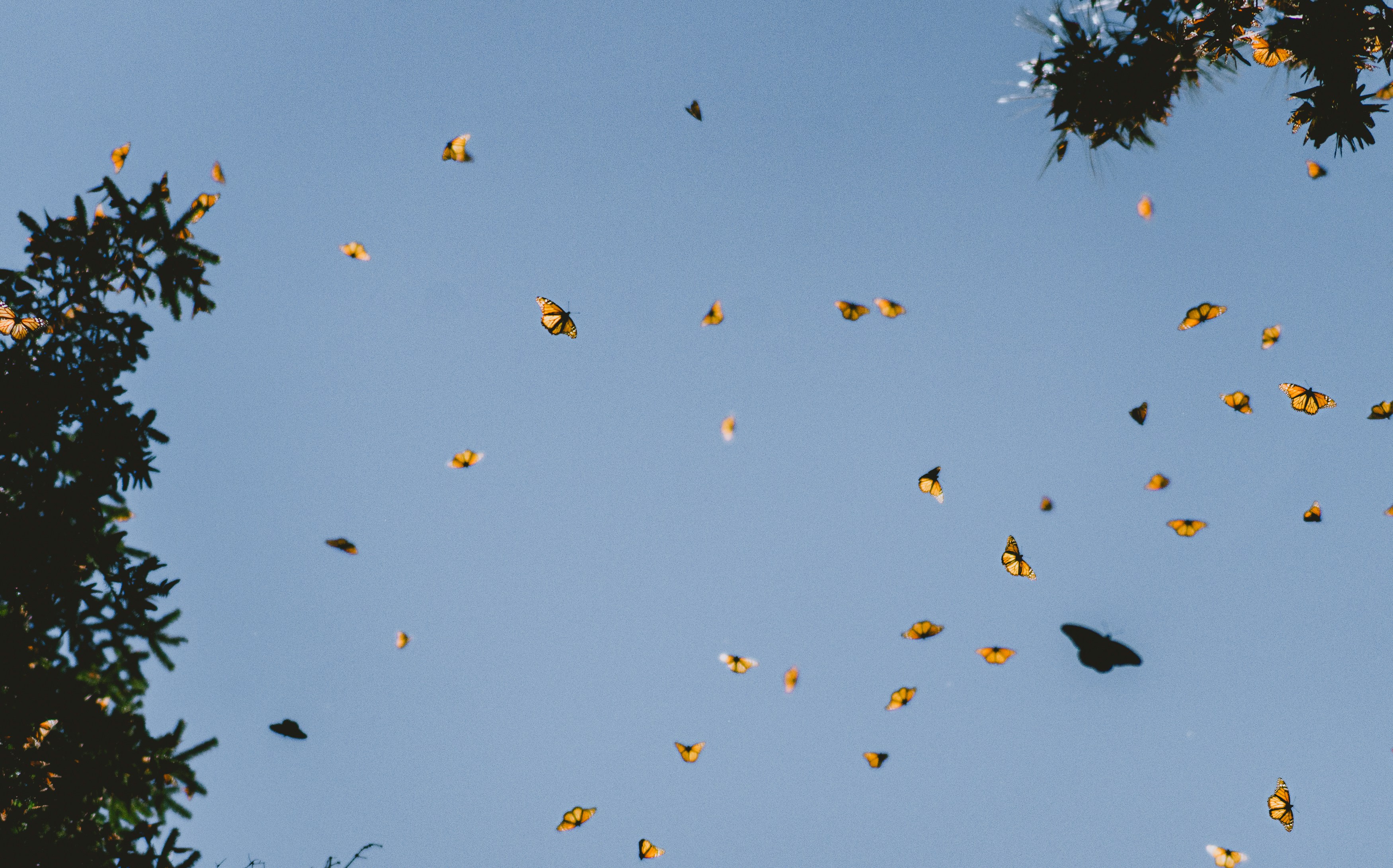
The Living Coast UNESCO Biosphere is carrying out the work to help return the bee and butterfly bank in Wish Park, also known as Aldrington Recreation Ground, to its full potential. The Friends of Wish Park successfully applied for a Changing Chalk community grant to replant the bank and install a new sign. Works will take place between 28 August and 5 September, during which time the banks will be fenced off and a small section of path closed with alternative routes available. The latest survey of Brighton & Hove’s wildflower bank network found a staggering 554 species of invertebrates, including more than 50 types of bee and 191 species of plants. Bee and butterfly banks recreate local downland habitats in miniature, in parks and green spaces across the city. They are valuable nectar-rich havens, attracting pollinating insects such as bees, butterflies, moths, hoverflies and beetles. In October, a brand-new chalk wildflower bank will be installed in Vale Park, Portslade, creating another biodiversity hotspot in the city’s parks. The project is supported by The National Lottery Heritage Fund with money raised by National Lottery players. Councillor Tim Rowkins, Cabinet member for Net Zero and Environment, said: “This is a fantastic project, which is having a very significant impact. It shows how beneficial creating wildflower-rich areas in an urban environment can be for our struggling pollinators, as well as bringing pocket-sized Downland habitats into the city for residents to explore and enjoy close to home. “This is part of the Changing Chalk project which is helping to restore the globally rare chalk grassland of the South Downs – in decline for a century and home to many special and endangered species.” The Living Coast is expanding and improving the important network of bee and butterfly banks across Brighton &Hove through the Greening the Cities project. The Wish Park bank may look a little bare after planting as it takes time for the plants to re-establish. The South Downs are a magical place for wildlife. Old chalk grassland is a globally rare habitat, home to many wildflowers and pollinating insects. Over the last 100 years, this incredibly biodiverse habitat has been declining, leaving a fragmented network which threatens the species that live there.
- Advertisement -


Find out about the project and get involved in helping maintain your local wildflower bank. About The Living Coast The Living Coast is a designated UNESCO Biosphere Region, working in partnership from Worthing to Seaford in Sussex, connecting people and nature from the South Downs to the sea. |