





















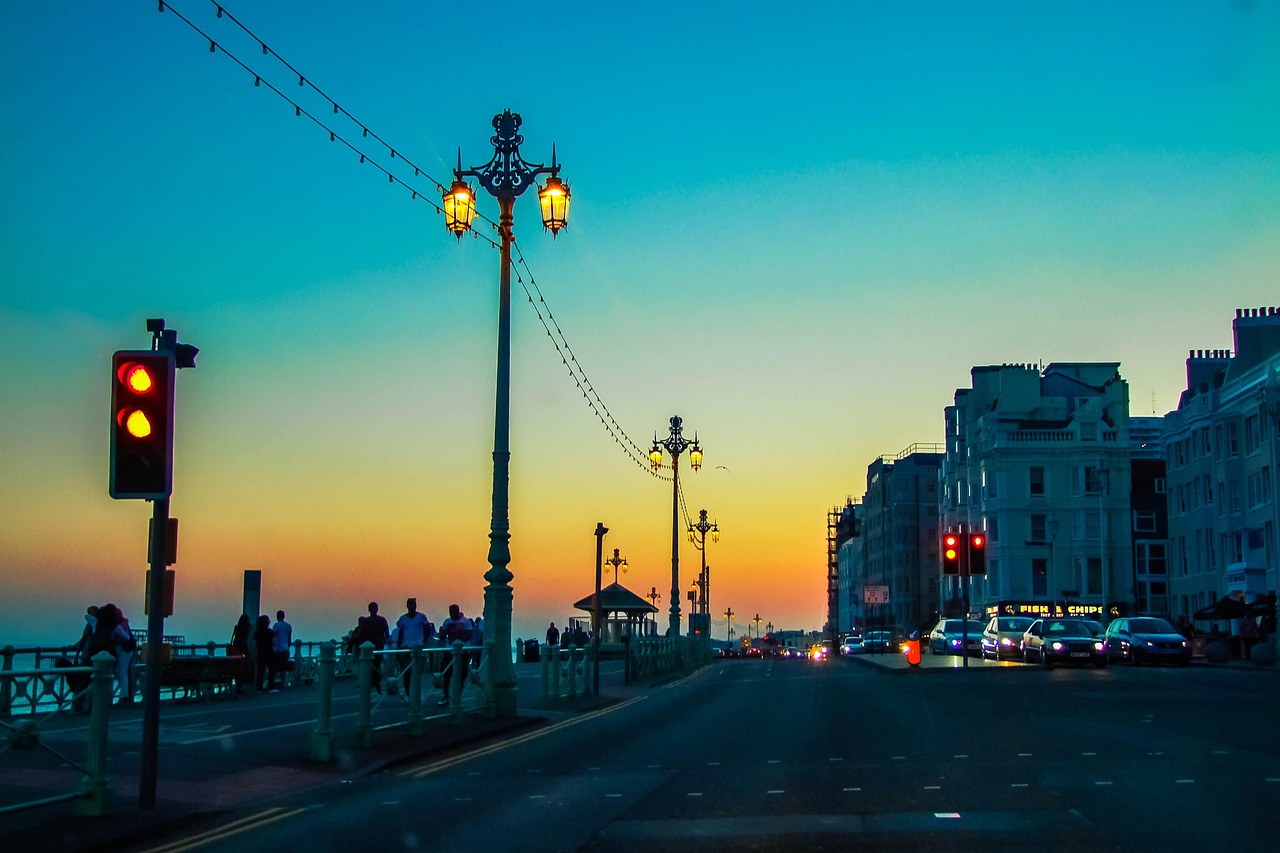


Brighton’s evenings have always carried a certain electricity. From gigs spilling out onto side streets to late cafés humming long after sunset, the city’s night-time economy reflects its creative edge. In 2026, though, that familiar rhythm is shifting in noticeable ways.
Rising costs, digital habits, and changing expectations are all leaving their mark. What’s emerging isn’t a decline, but a recalibration—one that feels distinctly Brighton & Hove in character and priorities.
1. Later Opening, Flexible Licensing Models
Across the city, evenings are starting later and ending more fluidly. Some venues now stagger their busiest hours deeper into the night, while others experiment with shorter but more focused opening windows. The aim is efficiency rather than sheer volume.
Flexible licensing has become part of that picture. Temporary extensions for festivals or one-off cultural events allow spaces to respond to demand without committing to permanent changes. For neighbourhoods, this approach helps concentrate activity while reducing constant late-night pressure.
2. Digital Leisure Beyond Physical Venues
Not every evening experience now requires leaving home. Streaming, social platforms, and interactive online entertainment increasingly fill gaps once occupied by spontaneous nights out. The shift isn’t about isolation; it’s about choice and control.
Payment technology plays a role here too, as people expect quick, discreet transactions across digital services. This complete list for no kyc casino highlights that it’s possible to pay for online entertainment services without having to provide personal details. These sites do not enforce KYC (Know Your Customer), meaning you can play without verifying your identity. This isn’t limited to online casinos, as you can also find online video games and streaming services that require minimal personal details.
3. Changing Spending Patterns After Dark
When people do go out, they’re spending differently. Rather than hopping between multiple venues, many choose one destination and settle in. A single gig, a long dinner, or a curated event often replaces the traditional bar crawl.
This matters because it shifts revenue models. Venues are leaning into quality experiences—better sound, stronger programming, or more thoughtful food menus—over rapid turnover. The night becomes something to invest in, not rush through.
4. Balancing Community Life And Night Culture
Brighton’s challenge has always been balance. A lively night-time economy sits alongside residential streets, early-morning swimmers, and families. In 2026, that balance feels more intentional.
Noise management, clearer closing times, and better transport coordination help reduce friction. At the same time, cultural events are being spread across different areas, easing pressure on traditional hotspots. The goal isn’t to quiet the city, but to let it breathe.


What This Means For Brighton Evenings
Taken together, these shifts point to a more considered night-time economy. Brighton isn’t chasing excess or nostalgia; it’s adapting to how people actually live now. Evenings are more planned, more personalised, and often more meaningful.
For residents and visitors alike, that can mean fewer impulsive nights—but richer ones. The city after dark still pulses with energy, just tuned to a slightly different beat.